
Painful Conditions We Help with Myofascial Release
Myofascial Release is a gentle, hands-on therapy that works with the body’s connective tissue (fascia) to relieve pain and restore natural movement. Many chronic pain conditions involve restrictions in this fascial system,
and releasing these restrictions can often bring significant relief.
Why Myofascial Release Helps These Conditions
Fascia is the connective tissue that surrounds and supports muscles, nerves, and joints throughout the body. When fascia becomes tight or restricted due to injury, inflammation, stress, or repetitive strain, it can create pain and limit normal movement.
Myofascial Release works by gently releasing these restrictions, allowing the body to return toward better balance, improved mobility, and reduced pain.
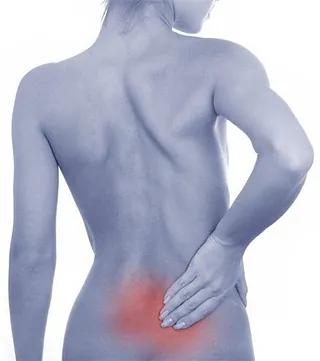
People often seek Myofascial Release therapy for conditions such as:
-
Thoracic outlet syndrome
-
Whiplash
-
Chronic Fatigue Syndrome
-
Carpal tunnel syndrome
-
Menstrual Discomfort
-
Osteoarthritis
-
Scoliosis
-
Tennis Elbow
-
Scars & Scar Tissue
-
or simply feeling “out of sorts”
GENERAL CONDITIONS
Jaw Pain (TMJ Dysfunction)
Myofascial Release is very helpful for people suffering from TMJ dysfunction, jaw pain, and facial tension. Restrictions in the fascia of the neck, jaw, and surrounding muscles can place pressure on the jaw joint and contribute to pain, clicking, and limited movement. Gentle treatment helps release these restrictions and restore more natural movement to the jaw and surrounding structures.
Neck Pain and Headaches
Neck pain is one of the most common complaints we see. Fascial restrictions in the neck, shoulders, and upper back can contribute to chronic neck pain, tension headaches, and reduced mobility. Myofascial Release works to gently release these restrictions, helping restore movement and reduce pain.
Back Pain and Sciatica
Back pain and sciatica are often related to restrictions in the fascia of the lower back, hips, and legs. These restrictions can create pressure patterns that irritate nerves and limit normal movement. By releasing these fascial restrictions, Myofascial Release can help reduce pain, improve mobility, and support long-term healing.
Whiplash
Whiplash injuries often create deep restrictions in the fascia of the neck, shoulders, and upper back. Even long after the initial injury, these restrictions can contribute to stiffness, headaches, and persistent pain. Myofascial Release works gently with the tissues to reduce these restrictions and help restore more natural movement.
Migraines
Migraines can sometimes be influenced by tension and restrictions in the fascia of the neck, shoulders, and head. When connective tissues become tight, they may place pressure on sensitive structures and contribute to headache patterns. Myofascial Release helps reduce these fascial restrictions, often relieving tension and improving mobility in the neck and head.
Fibromyalgia
People living with fibromyalgia often experience widespread pain, tenderness, and fatigue. Restrictions within the fascial system can contribute to the tension and pressure patterns that make these symptoms worse. Many clients find Myofascial Release helpful because the work is slow, gentle, and designed to reduce tension without forcing the body.
Plantar Fasciitis
Plantar fasciitis is commonly associated with tightness and restrictions in the fascia of the feet, calves, and lower legs. These restrictions can place strain on the plantar fascia and contribute to heel pain. Myofascial Release techniques can help reduce tension throughout the lower body, often improving mobility and reducing stress on the foot.
Trigger Points (Tender Spots)
Trigger points are tight, sensitive areas within muscle and connective tissue that can cause both local pain and referred pain in other parts of the body. Myofascial Release helps reduce the underlying fascial restrictions that often contribute to these painful spots, allowing tissues to soften and function more normally.
Scar Tissue and Surgical Scars
Scar tissue from injuries or surgery can create restrictions that affect nearby muscles, joints, and nerves. These restrictions sometimes contribute to pain or limited movement long after healing has occurred. Myofascial Release can help soften and mobilize scar tissue, improving tissue flexibility and restoring more natural movement in the surrounding areas.
Additional Benefits
-
Reduce Stress
-
Injury Prevention
-
Improve Nerve Function
-
Increase Blood Circulation
-
Strengthen Your Immune System
-
and just Feel Good Again!


After Session . . . “My headache’s GONE! I feel SO much better!! Thank you!”